
10+ Best Tanzania Photo Safaris
A Tanzania Photo Safari is more than just a wildlife trip—it is a journey into one of the most photogenic landscapes on Earth. From endless savannahs filled with iconic wildlife to dramatic volcanic craters, remote rivers, and flamingo-filled lakes, Tanzania offers unmatched opportunities for photographers of all levels. Whether you are a professional wildlife photographer or an enthusiastic beginner, Photo Safari Tanzania experiences are designed to give you time, space, and freedom to capture extraordinary images.
Unlike standard game drives, Tanzania photo safari tours focus on light, angles, animal behavior, and patience. You are not rushing from place to place—you are waiting for the perfect moment: a lion at sunrise, elephants walking through golden dust, or wildebeest crossing a river during the Great Migration. Tanzania is the heart of African wildlife photography, and every frame tells a powerful story.
Why Choose Tanzania for a Photo Safari?
Tanzania stands out as the number one destination for photo safaris in Africa due to its diversity, wildlife density, and natural beauty. The country hosts some of the world’s most famous national parks and conservation areas, many of which are vast, unspoiled, and ideal for photography. The open landscapes allow for clear views, natural backgrounds, and dramatic skies, making composition easier and more impactful.
Another key advantage of a Tanzania Photo Safari is the variety of photographic subjects. In one trip, you can photograph big cats, elephants, birds, primates, volcanic landscapes, rivers, lakes, and cultural scenes. Combined with experienced safari guides who understand photography needs, Tanzania offers an environment where photographers can truly thrive.
Best Places for a Tanzania Photo Safari
1. Serengeti National Park – Iconic Wildlife and the Great Migration
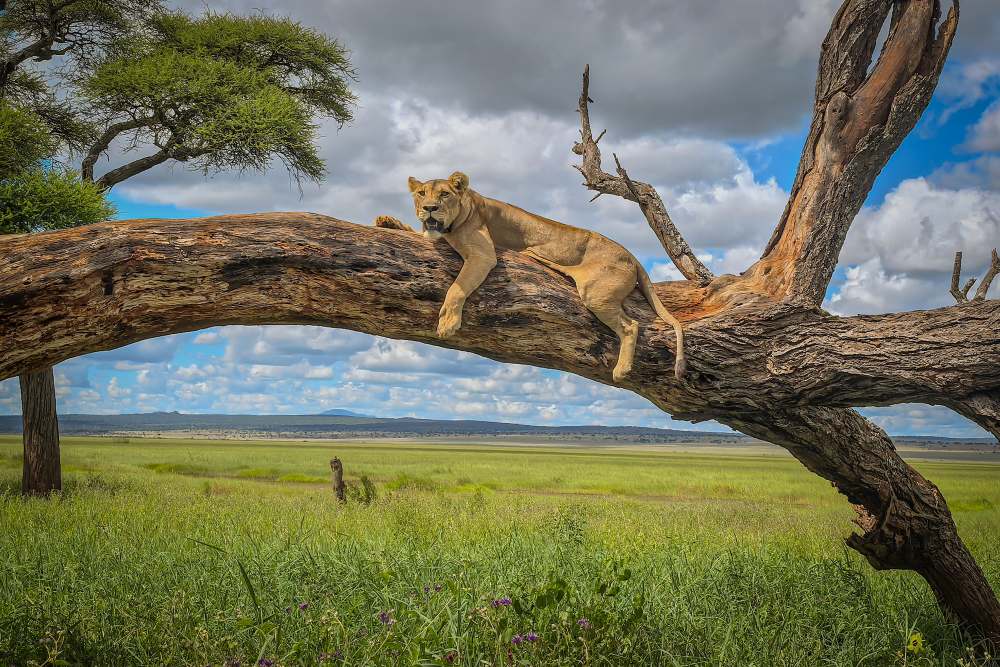
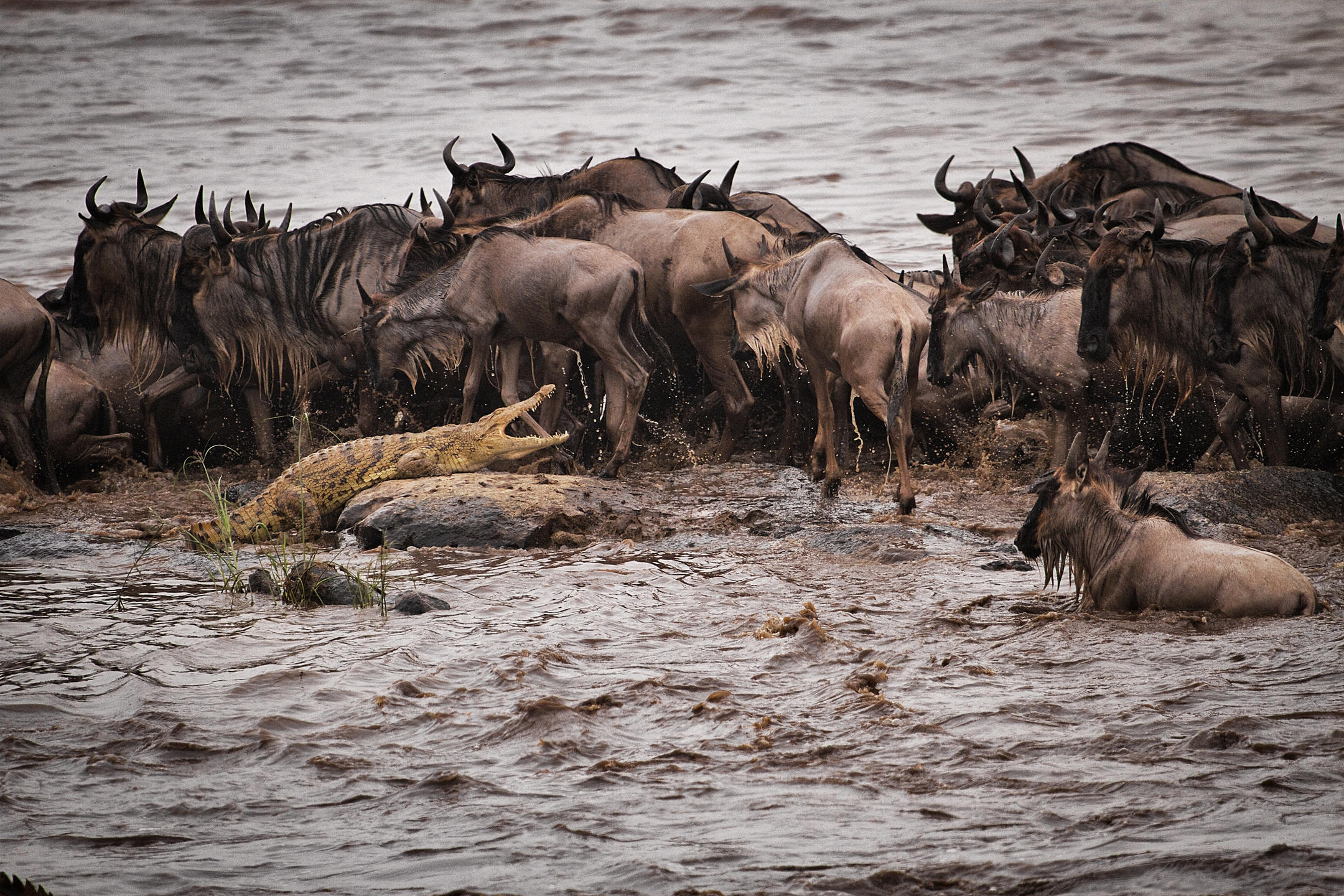
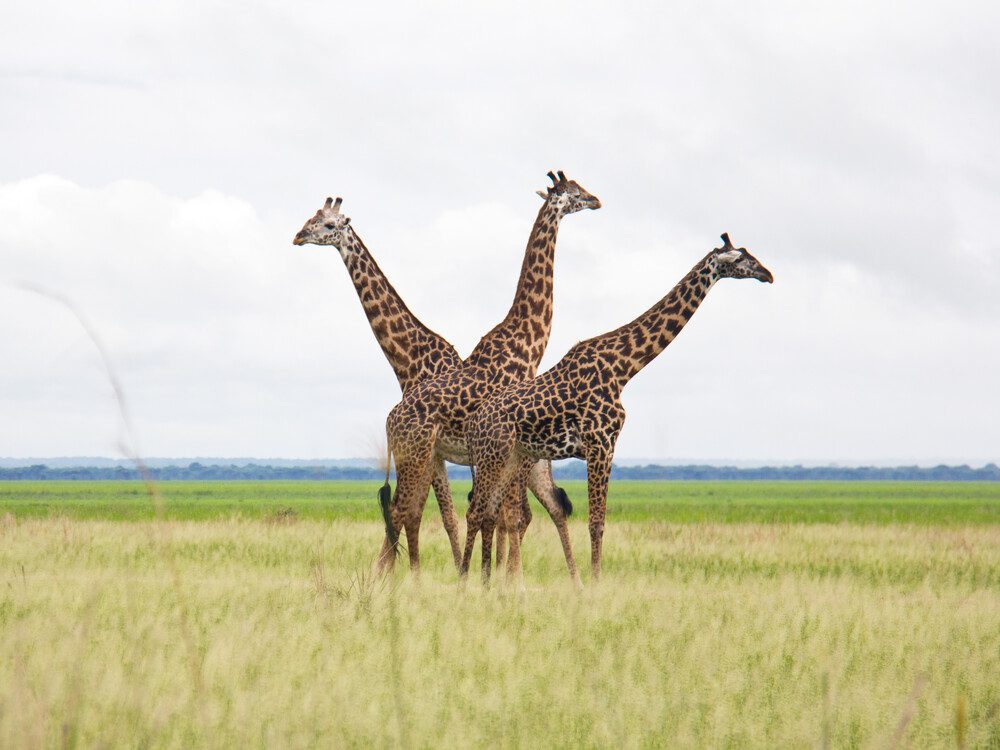
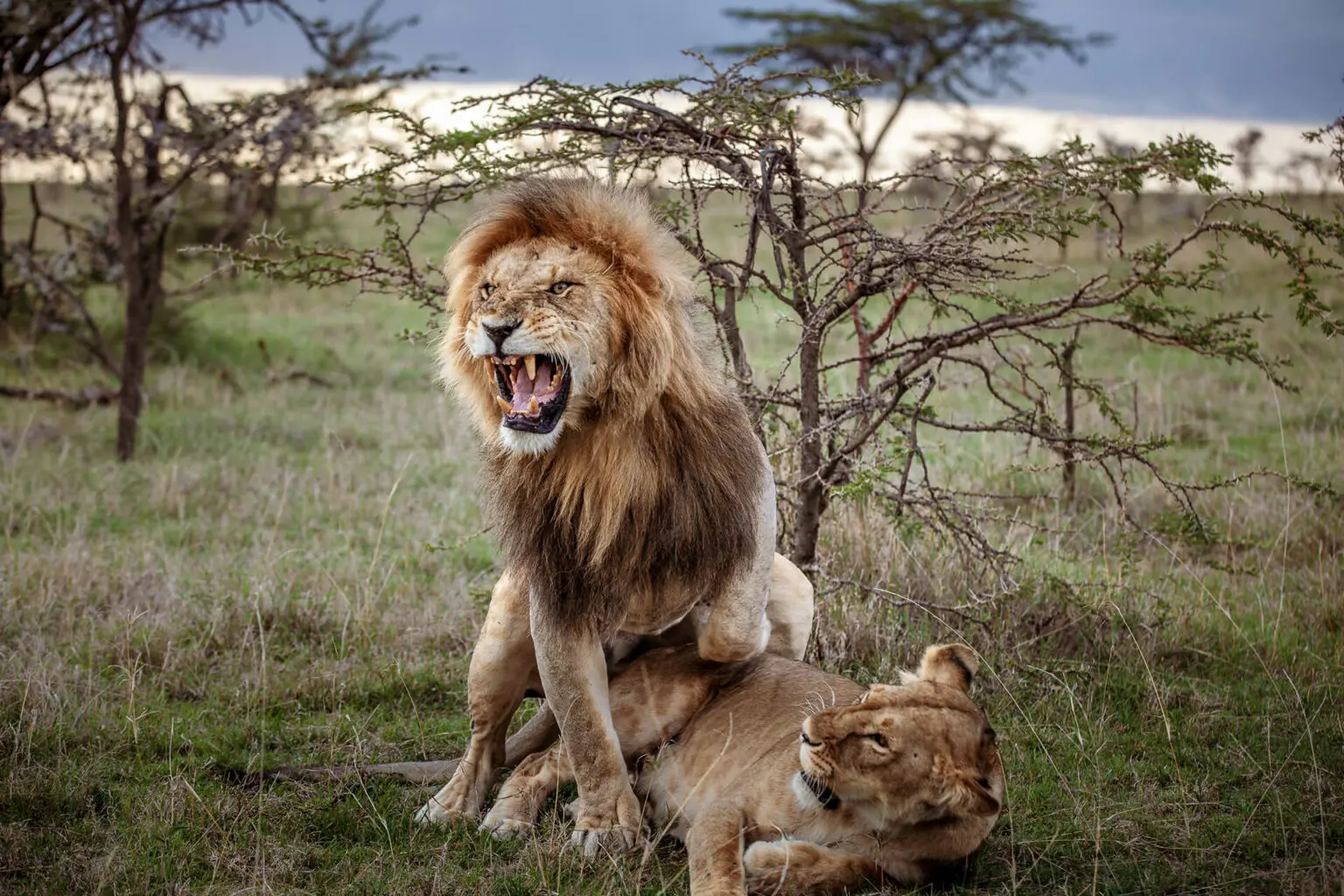
The Serengeti is the crown jewel of Photo Safari Tanzania experiences. Famous for the Great Wildebeest Migration, this vast ecosystem offers year-round wildlife photography. From dramatic river crossings to endless herds on open plains, the Serengeti provides unmatched action and scale. Lions, cheetahs, leopards, elephants, and hyenas are commonly seen, often in excellent light conditions during early mornings and late afternoons.
The wide-open landscapes make it perfect for capturing wildlife against colorful skies, dust clouds, and golden grasslands—classic African safari images that photographers dream of.
2. Ngorongoro Crater – Wildlife Density in a Natural Amphitheater
The Ngorongoro Crater is one of the most unique photo safari locations in the world. This massive volcanic caldera holds an extraordinary concentration of wildlife within a relatively small area. For photographers, this means more opportunities in less time. You can capture black rhinos, lions, buffalo, elephants, and flamingos all in one game drive.
The crater walls create dramatic backdrops, while the changing light throughout the day adds depth and contrast to your images. It is an essential stop on any Tanzania Photo Safari itinerary.

3. Ndutu Area – Calving Season and Predator Action
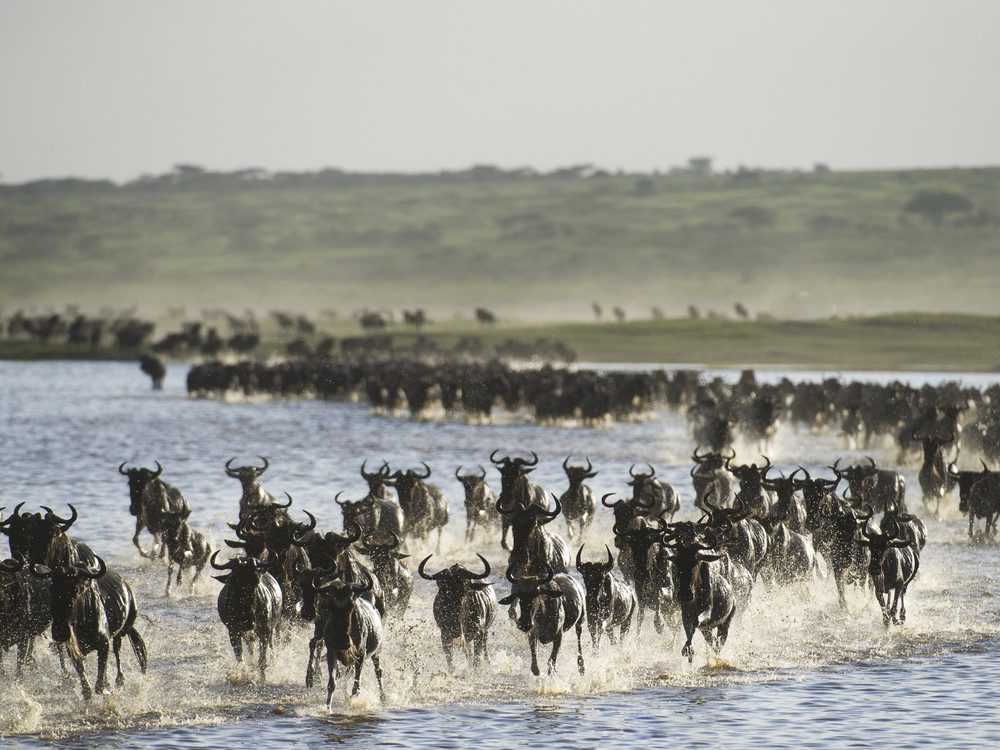
Located between the southern Serengeti and Ngorongoro Conservation Area, Ndutu is famous for the wildebeest calving season, usually from January to March. This is one of the best times for action photography, as thousands of calves are born daily, attracting predators such as lions, cheetahs, and hyenas.
For photographers interested in behavior, emotion, and dramatic wildlife interactions, Ndutu is unmatched. The short grass plains and scattered lakes also provide clean backgrounds and excellent visibility.
4. Tarangire National Park – Land of Giants and Baobabs
Tarangire National Park is a hidden gem for photographers. Known for its large elephant herds and iconic baobab trees, Tarangire offers unique compositions that are different from the Serengeti. During the dry season, animals gather along the Tarangire River, creating excellent opportunities for close-up wildlife photography.
The park’s warm light, dusty trails, and dramatic sunsets make it a favorite for photographers seeking artistic and atmospheric images.
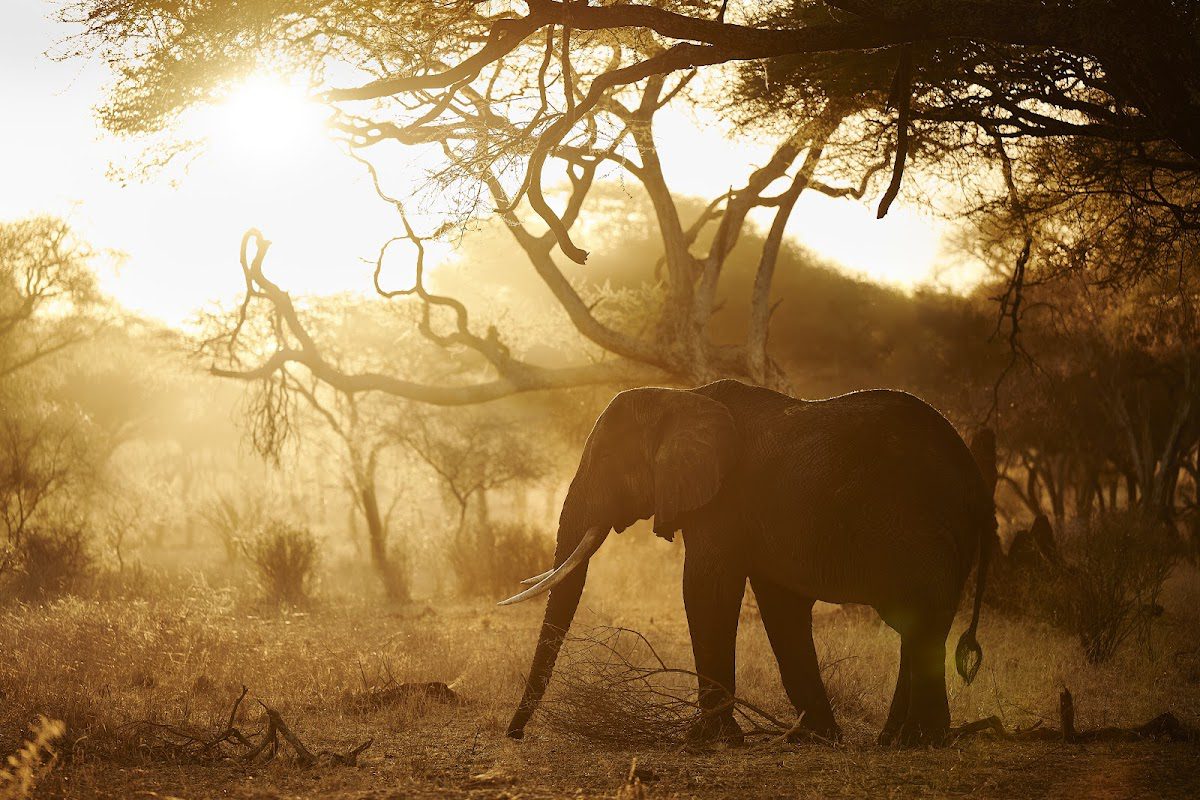
5. Ruaha National Park – Raw, Wild, and Remote
Ruaha National Park is Tanzania’s largest national park and one of its most untouched. It is perfect for photographers who want a more exclusive and wild experience. Ruaha is known for large prides of lions, leopards, elephants, and beautiful river landscapes.
The rugged terrain and fewer vehicles allow for intimate photography experiences, making Ruaha ideal for serious photographers looking to capture rare and powerful moments.
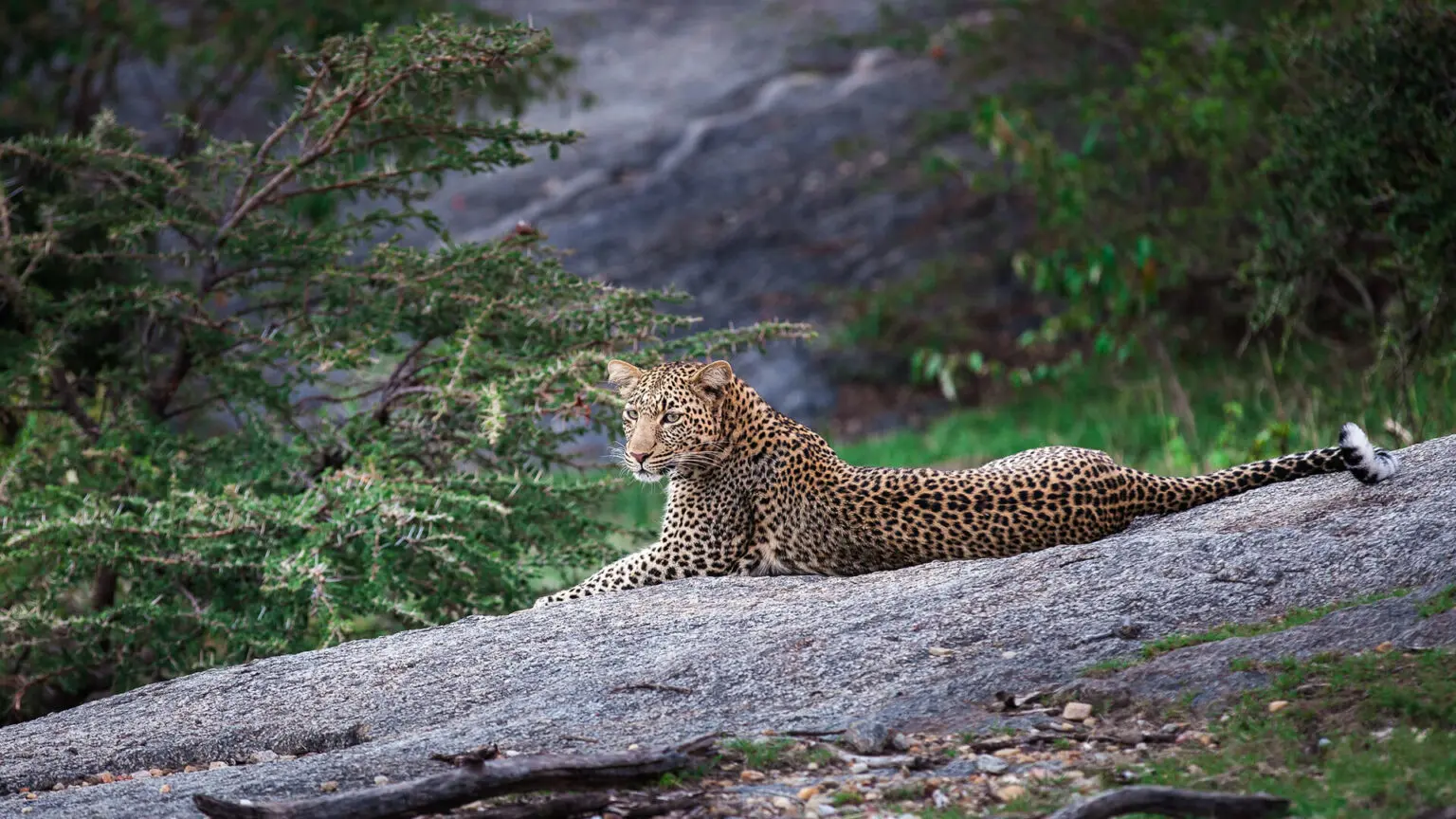
6. Nyerere National Park (Selous) – Rivers, Boats, and Unique Perspectives
Nyerere National Park offers something different from traditional game drives. Here, photographers can enjoy boat safaris along rivers, capturing wildlife from unique angles. Hippos, crocodiles, elephants, and birds are common subjects, often reflected beautifully in the water.
The combination of riverine landscapes and open plains adds diversity to any Tanzania Photo Safari portfolio.
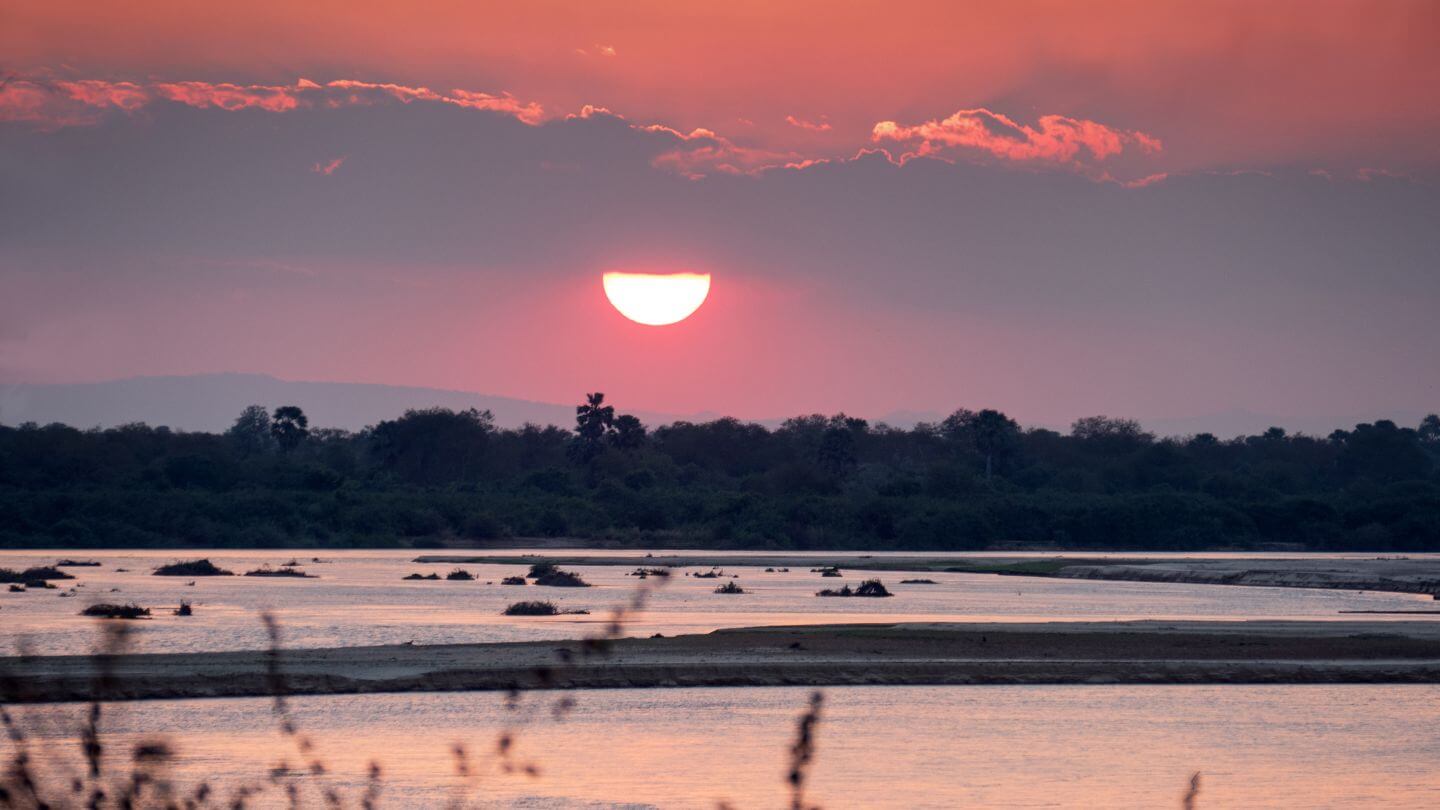
7. Lake Natron – Flamingos and Dramatic Landscapes
Lake Natron is a paradise for bird photographers and landscape lovers. Thousands of flamingos gather here, creating stunning patterns of pink against the lake’s mineral-rich waters. With the dramatic Ol Doinyo Lengai volcano in the background, Lake Natron offers surreal and artistic photography opportunities.
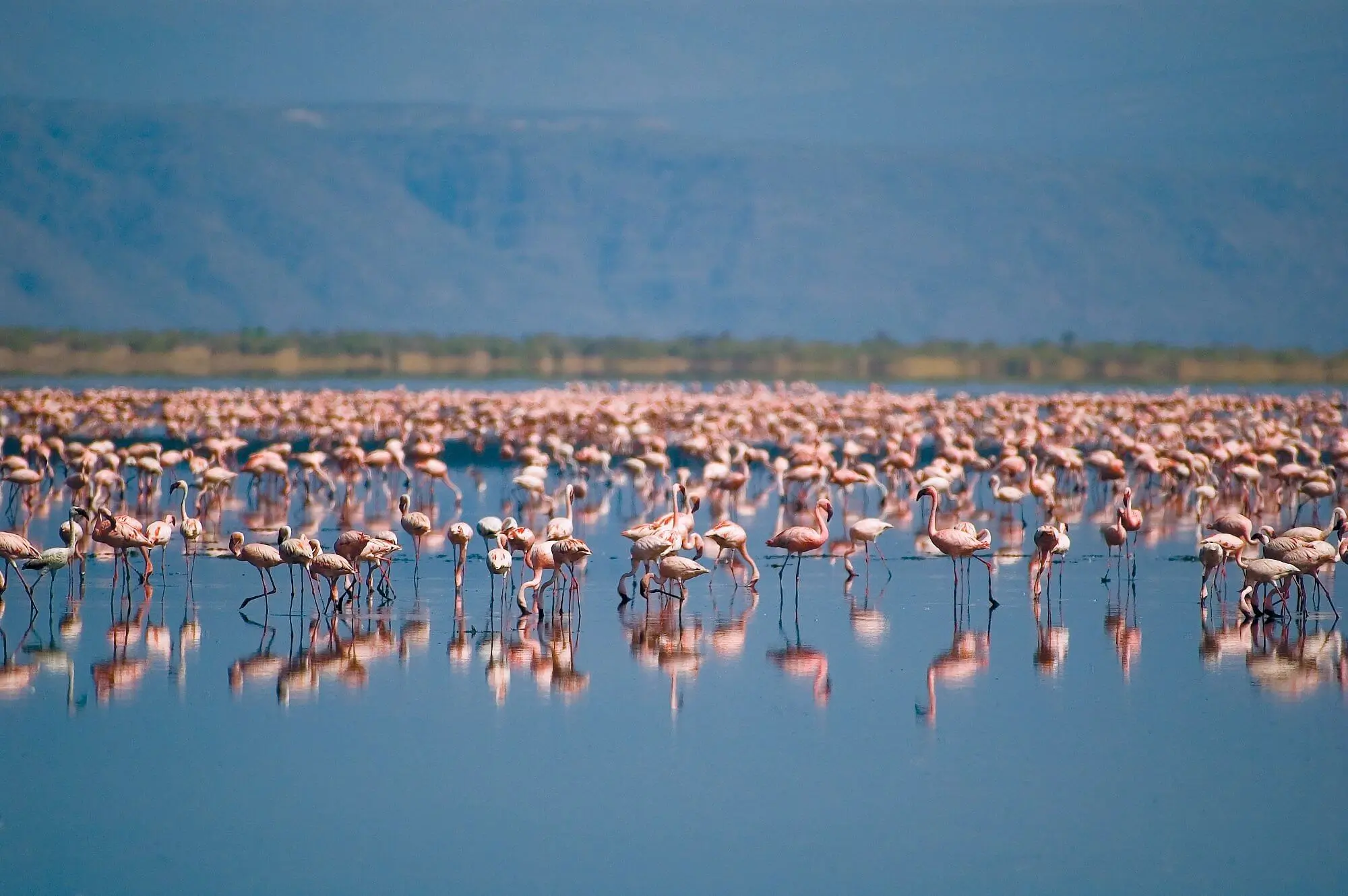
8. Katavi National Park – Untouched Wilderness
Katavi is one of Africa’s least visited parks, making it perfect for photographers seeking raw and authentic wildlife scenes. Massive herds of buffalo, elephants, and hippos dominate the landscape, often in dramatic settings with little to no human presence.
9. Mahale National Park – Chimpanzee Photography
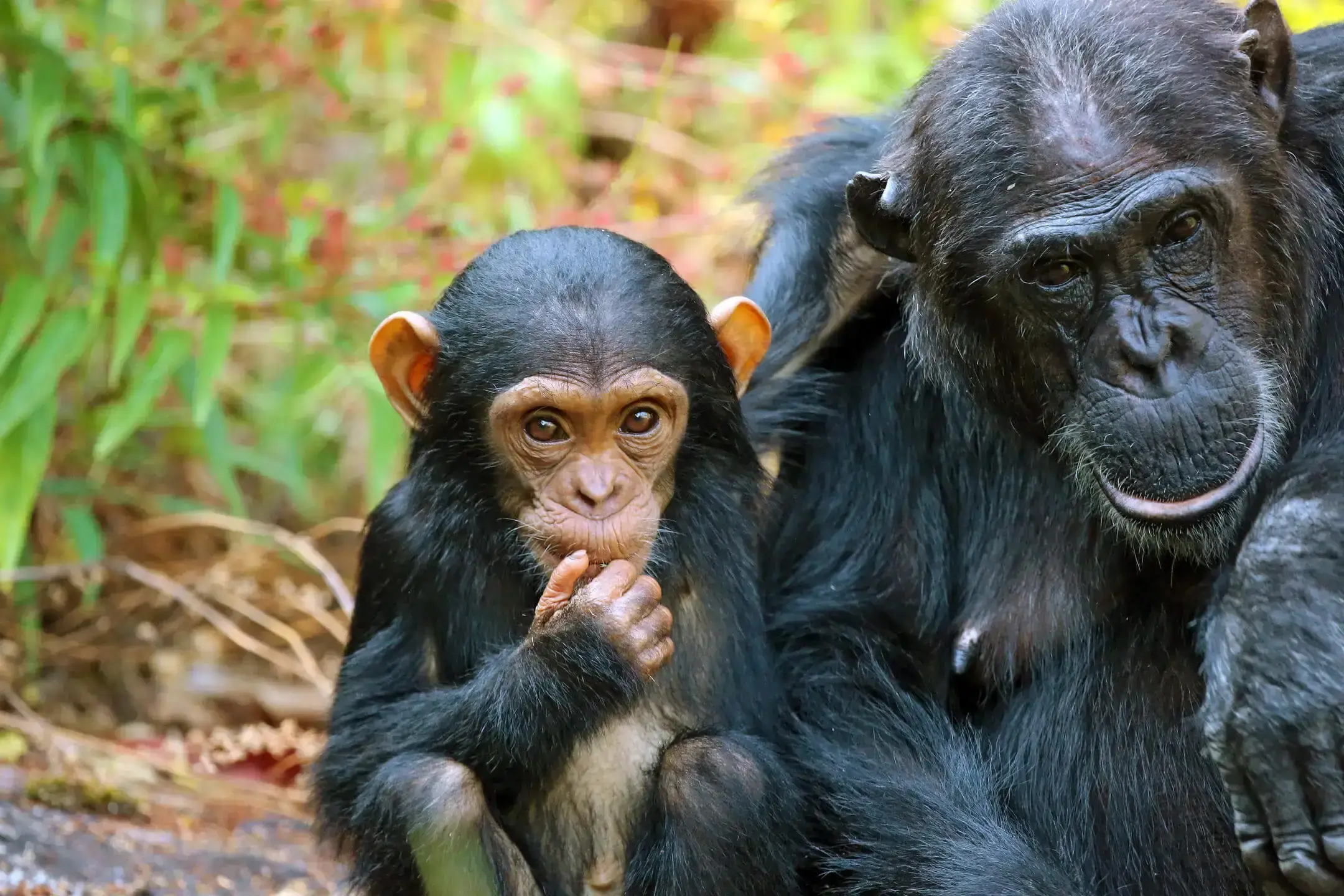
Mahale National Park is world-famous for chimpanzee tracking. Photographing chimpanzees in their natural forest habitat is a unique and emotional experience. The lush greenery and Lake Tanganyika backdrop add depth and richness to primate photography.
Best Time for a Tanzania Photo Safari
The best time for a Tanzania Photo Safari depends on your photography goals. The dry season from June to October is excellent for wildlife viewing, as animals gather around water sources and vegetation is thinner. This period is also ideal for the Great Migration river crossings in the northern Serengeti.
For calving season and predator action, January to March in the Ndutu area is perfect. Bird photography is best from November to April, when migratory birds arrive, and landscapes are greener. Tanzania truly offers year-round photo safari opportunities.

Camera, Lens, and Photography Tips
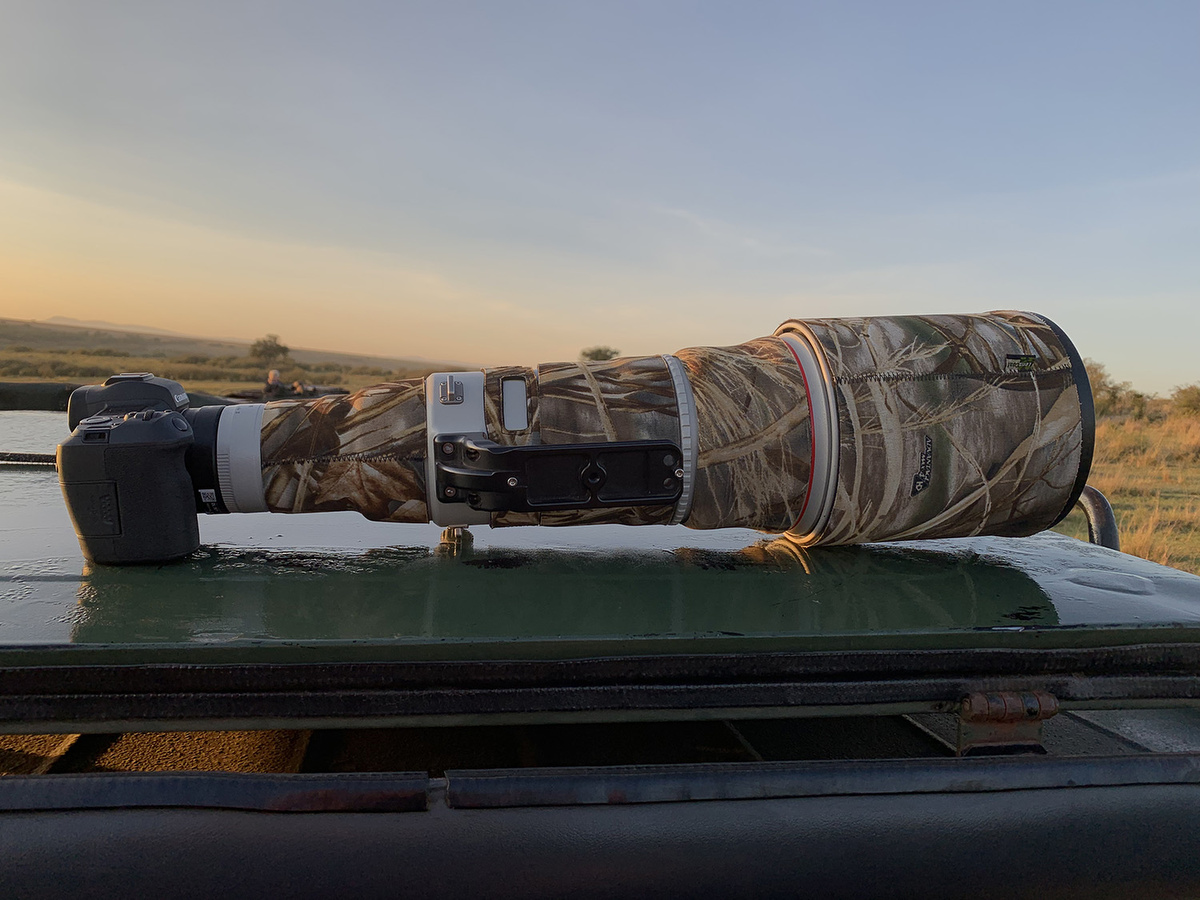
For a successful Photo Safari in Tanzania, the right equipment is essential. A DSLR or mirrorless camera with fast autofocus is recommended. Lenses with focal lengths between 100–400mm or 200–600mm are ideal for wildlife photography, while a 24–70mm or 70–200mm lens is perfect for landscapes and environmental shots.
Bring extra batteries, memory cards, and a bean bag for stabilizing your camera on the safari vehicle. Early morning and late afternoon provide the best light, so be ready before sunrise and patient during golden hours.
Best Safari Vehicle for Photography
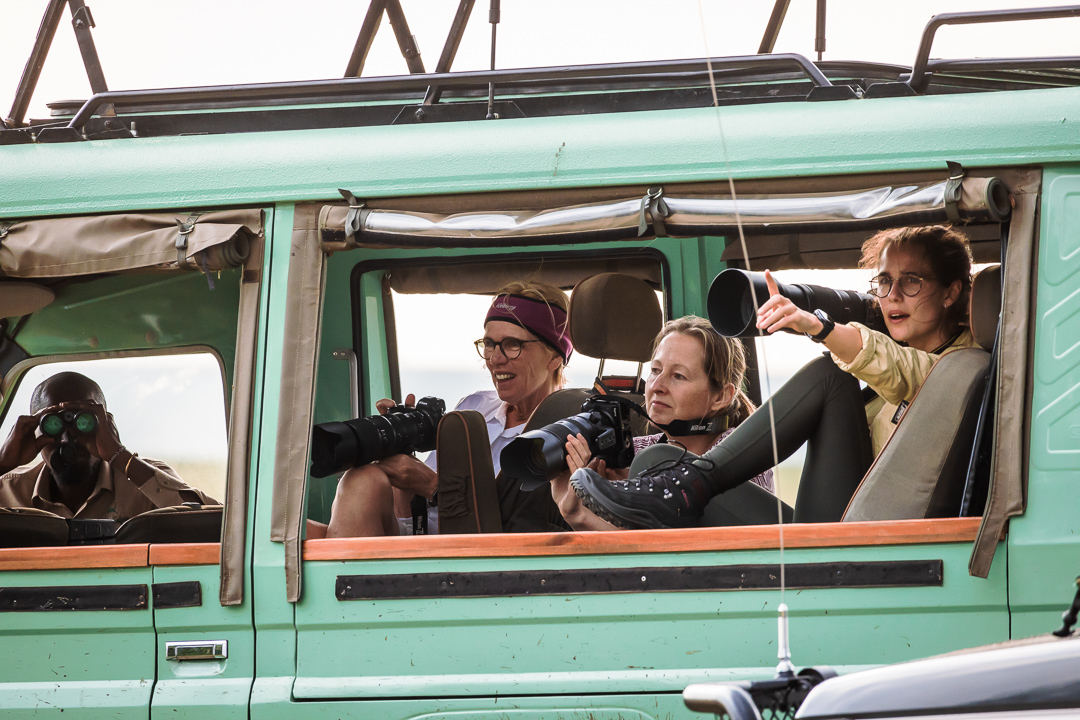
The recommended safari vehicle for a Tanzania Photo Safari is a customized 4×4 Land Cruiser with removable windows. This allows photographers to shoot freely without glass reflections. The roof can also be fully opened for elevated shooting angles.
For the best experience, we recommend 3 to 4 photographers per vehicle. This ensures everyone has enough space, freedom to move, and clear angles for photography without obstruction.
Be Patient and Observant: The Key to Great Wildlife Photography
Successful photo safari photography is not about rushing or constantly chasing sightings — it is about patience and careful observation. Wildlife moves on its own time, and the most powerful images often come to those who are willing to wait quietly and watch.
By staying patient, you allow animals to relax and behave naturally, creating opportunities to capture authentic moments such as hunting, interactions, or gentle expressions. Observation helps you understand animal behavior — noticing body language, direction of movement, and interaction with the environment allows you to anticipate action before it happens.
Avoid unnecessary movement or frequent camera adjustments. Stay calm, keep your camera ready, and trust the moment to unfold. Often, the difference between an ordinary photo and a great one is a few extra minutes of waiting.
Great wildlife photography rewards those who respect nature, slow down, and let the scene come to life naturally. Patience and observation will always deliver stronger, more meaningful images than rushing ever could.
The best Tanzania Photo Safaris
Plan Your Tanzania Safari photo With Zepisa.
At Zepisa African Safaris, we create tailor-made Tanzania safaris designed specifically for couples, families, groups, or private. Whether you want pure luxury, private game drives, or a romantic beach escape, we design the perfect itinerary to match your dreams.
Contact us today and let us create your unforgettable Tanzania safari! Read our TripAdvisor Reviews
