
What Currency is Used in Tanzania? The Ultimate Guide
Planning an unforgettable safari to the Serengeti, a relaxing trip to the white-sand beaches of Zanzibar, or a challenging trek up Mount Kilimanjaro is an exciting experience. But as you plan, one of the most important questions you’ll have is: “What currency is used in Tanzania?”
It’s a simple question with a two-part answer that is essential for a smooth, stress-free trip.
The official currency of Tanzania is the Tanzanian Shilling (TZS). However, the unofficial “tourist” currency is the US Dollar (USD), which is widely accepted and often preferred for all major tourism-related expenses, including safaris, hotels, and park fees. Understanding when and how to use both currencies is the key to a successful trip. This ultimate guide will walk you through everything you need to know about money, from cash and credit cards to ATMs and tipping.
The Two Main Currencies: TZS vs. USD
Consider Tanzania to have a dual-currency system for travelers. You will need both Tanzanian Shillings and US Dollars.
1. The Official Currency: Tanzanian Shilling (TZS)
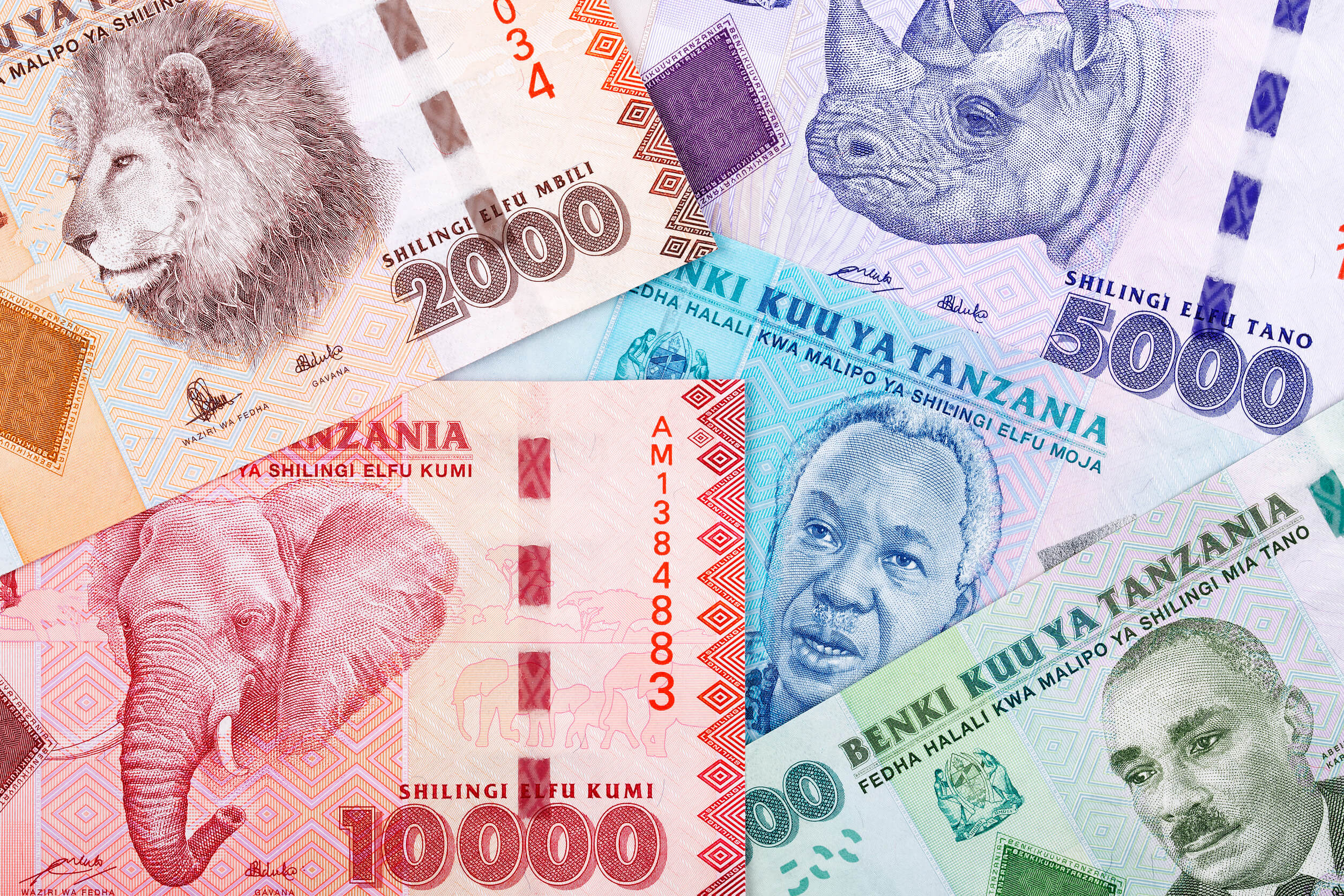
The Tanzanian Shilling is the local currency and the one used by Tanzanians for all daily transactions.
- Banknotes (Bills): You will see banknotes in denominations of 10,000, 5,000, 2,000, and 1,000 TZS.
- Coins: You will also find coins in denominations of 500, 200, 100, and 50 TZS.
When should you use Tanzanian Shillings?
It is highly recommended to have a supply of Tanzanian Shillings for all your small, local expenses. Using TZS will almost always get you a better price for these items.
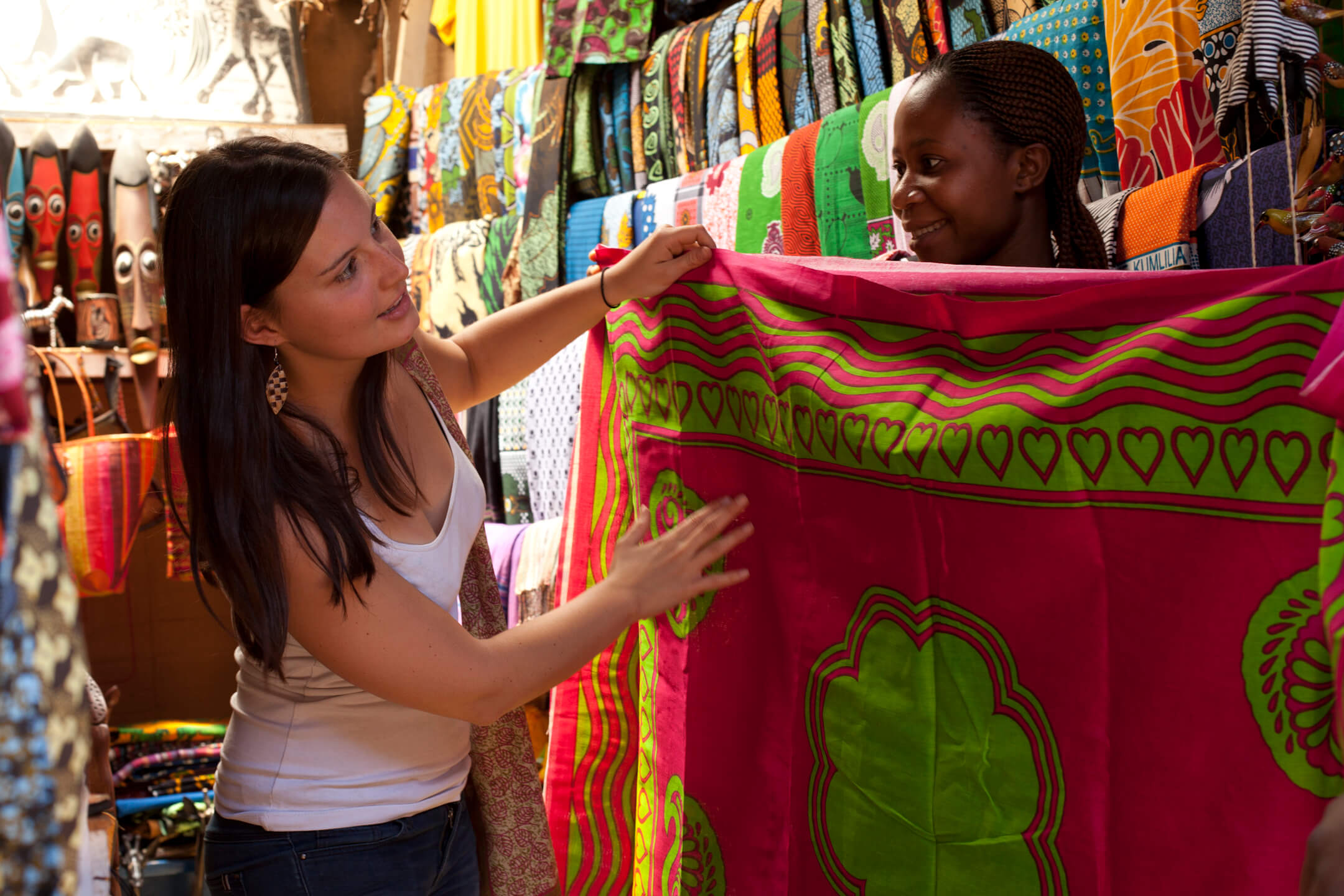
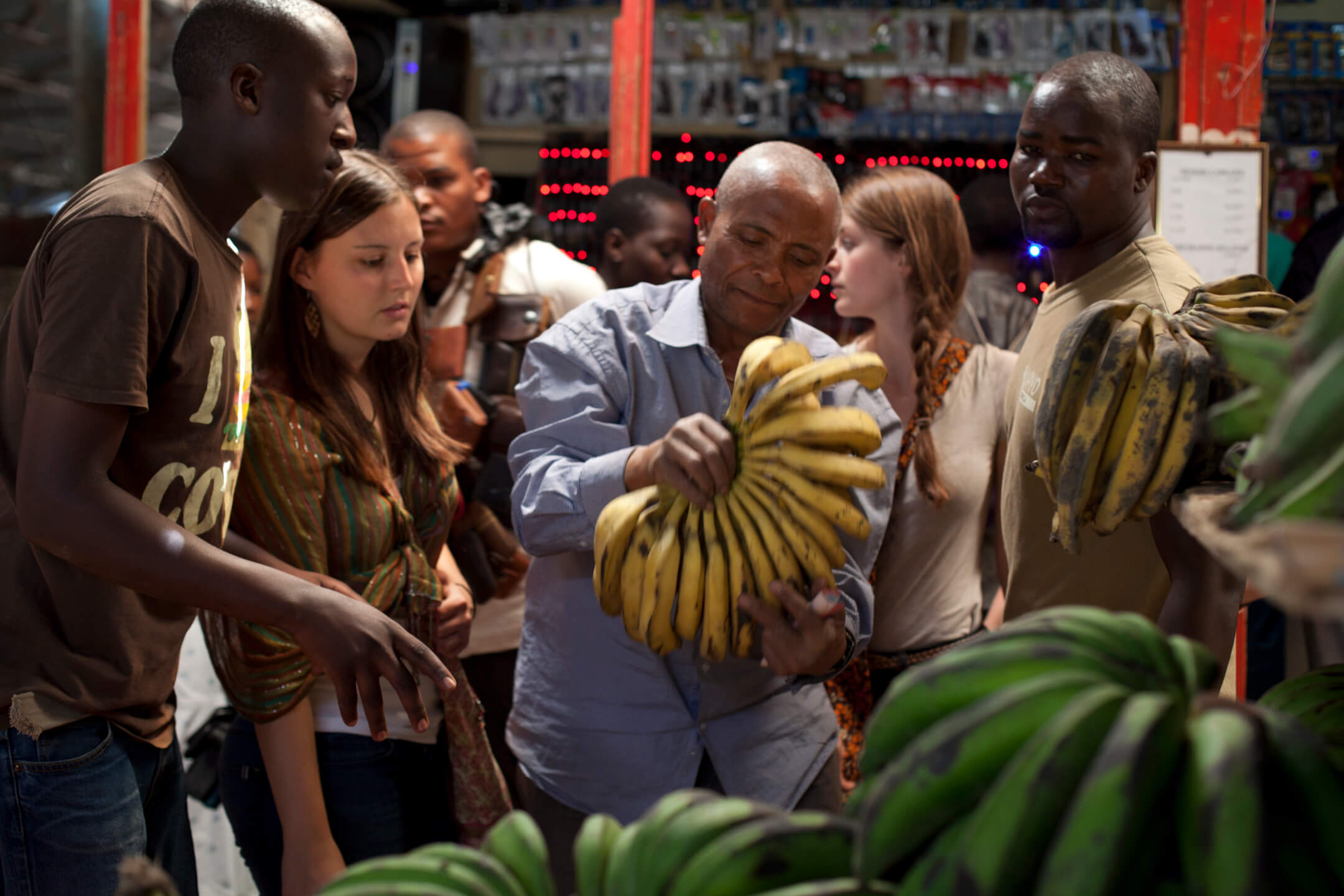
- Local markets and souvenir shops
- Small restaurants and local cafes
- Supermarkets
- Taxis or boda-bodas (motorcycle taxis)
- Tips in local restaurants
- Small purchases like water, snacks, or coffee
Getting shillings is easy, and we will cover the best ways in our ATM and currency exchange sections below.
2. The Tourist Currency: The US Dollar (USD)
The US Dollar is the most important currency for any international traveler in Tanzania. The entire tourism industry—from the government to local operators—has prices set in USD.
When should you use US Dollars?
- Safari Costs: Your safari package, lodge, and camp fees are almost always priced and paid in USD.
- Hotels & Lodges: All high-end and mid-range hotels will price their rooms in USD.
- Visas: Your Visa on Arrival at the airport ($100 for US citizens, $50 for most others) must be paid in cash. While they sometimes accept Euros, USD is the standard.
- Tipping: Tipping your safari guide, lodge staff, and mountain trekking crew is standard practice and is best done in USD.
- Activities: Hot air balloon safaris, diving in Zanzibar, and other tours are priced in USD.
CRITICAL PRO-TIP: The “New Bills” Rule
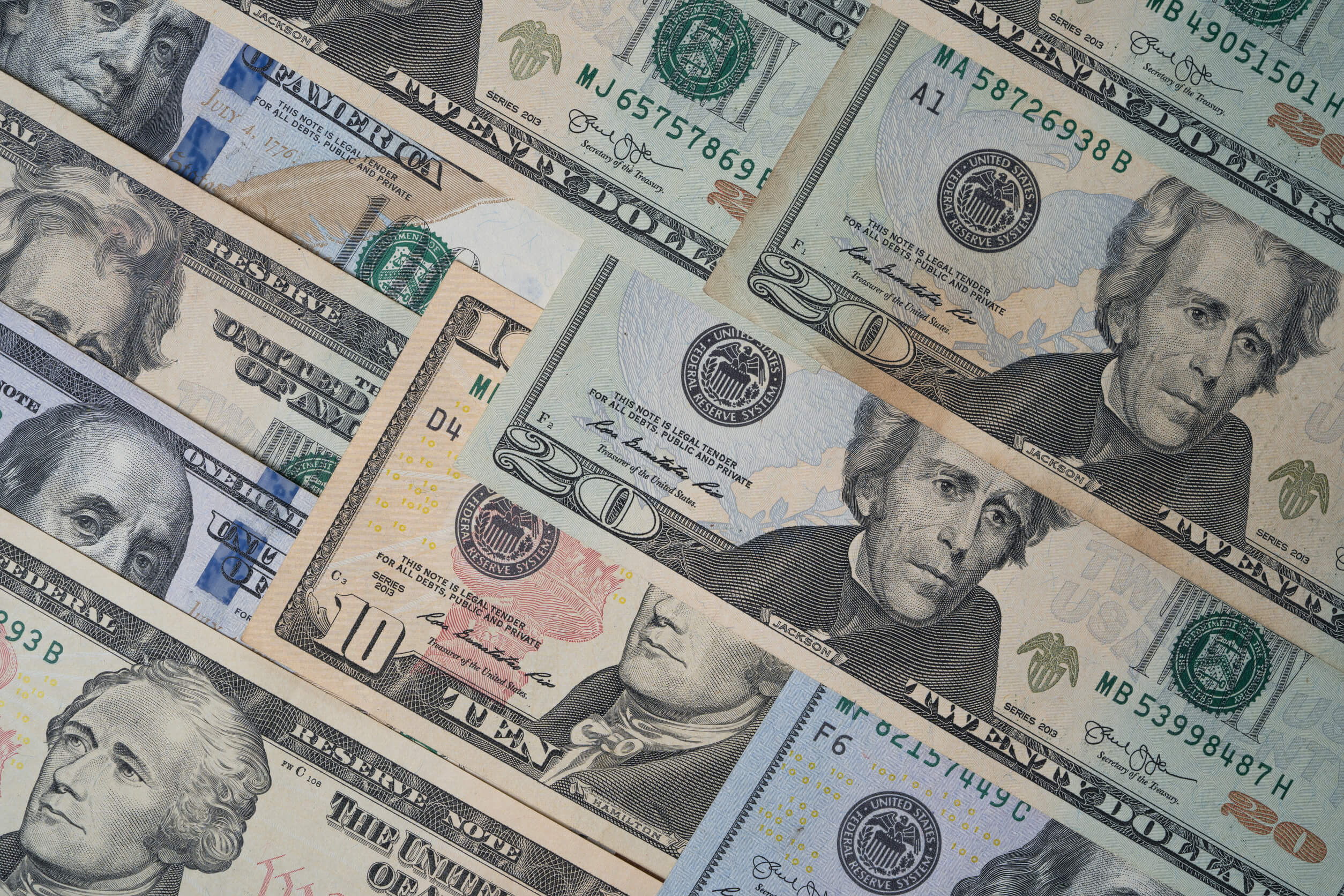
This is the most important piece of advice about using US Dollars in Tanzania: You must bring new, crisp bills printed in 2009 or later.
Action: Before you leave home, go to your bank and specifically ask for “new, clean US Dollars.” Get a mix of $1, $5, $10, and $20 bills for tipping and smaller purchases, and $50 and $100 bills for larger payments.
Cash vs. Credit Cards: What Should You Use?
Tanzania is still very much a cash-based economy. You cannot rely on credit cards for your entire trip.
Using Credit Cards (Visa & Mastercard)
Credit cards are becoming more common, but their use is still limited. Where are cards accepted?
- Midrange to high-end international hotels
- Large, formal souvenir shops
- Some upscale restaurants in cities
Where are cards NOT accepted?
Almost everywhere else. This includes local markets, small shops, cafes, local restaurants, and taxis. You will never be able to use a card in a remote Maasai village.
The Surcharge: Be aware that almost every business that accepts credit cards will add a surcharge of 3% to 5% to your bill. This is to cover the high fees the banks charge them.
Before You Go: Always notify your bank of your travel dates and destinations (Tanzania, and any layover countries). If you don’t, their fraud-protection system will likely block your card on your first transaction.
Verdict: Bring a Visa or Mastercard as a backup for large, emergency expenses or hotel payments. Do not plan on using it for your daily needs.
How to Get Money in Tanzania: ATMs & Currency Exchange
Since you’ll need both TZS and USD, here is the best way to get them.
ATMs in Tanzania
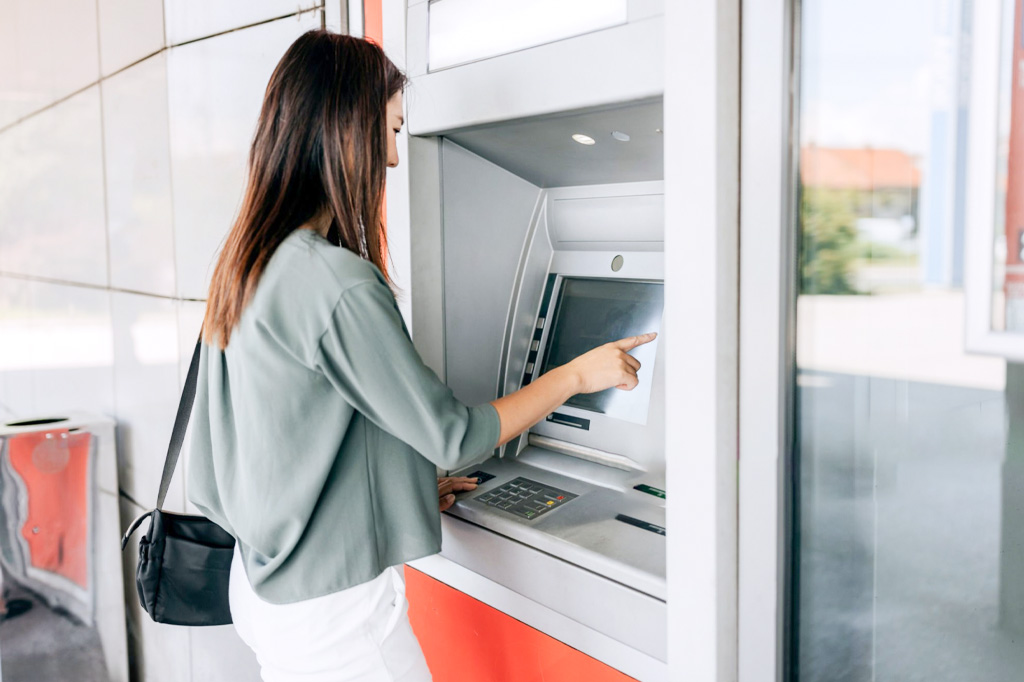
ATMs are the easiest and often cheapest way to get Tanzanian Shillings once you arrive.
- Location: ATMs are easy to find in all major cities and towns, including Arusha, Moshi, Dar es Salaam, and Stone Town (Zanzibar). The main airports (Kilimanjaro – JRO and Dar es Salaam – DAR) will have ATMs in the arrival hall.
Which Banks? Look for well-known bank ATMs like CRDB, NMB, NBC, Standard Chartered, or Barclays (Absa). They are generally reliable and accept international cards (Visa and Mastercard).
- Withdrawal Limits: This is a key limitation. Most ATMs have a per-transaction limit of 400,000 TZS (about $150 USD). You may have to make multiple withdrawals (and pay multiple fees) to get a large amount of cash.
- Warning: Once you leave a main town and head out on safari, there are no ATMs. You will not find an ATM in the Serengeti, Tarangire, or any national park. Stock up on all the cash you need in Arusha or at the airport.
Currency Exchange (Bureau de Change)
This is the best way to change your foreign cash (USD, EUR, GBP) into Tanzanian Shillings.
Where? You will find official “Bureau de Change” offices at the airports and in all main towns.
- Rates: They generally offer much better exchange rates than banks or your hotel. It is best to avoid exchanging money at your hotel, as their rates will be very poor.
- Pro-Tip: When you exchange your money, ask for a mix of small bills (1,000, 2,000, and 5,000 TZS notes). This will make it much easier to pay for small items where vendors may not have change for a 10,000 TZS note.
- What to Bring: Bring the cash you plan to exchange (USD is best). Remember the “new bills” rule!
Should I get Tanzanian Shillings before I leave home? No. It is not recommended. The exchange rate will be very poor, and the currency is not easily convertible outside of East Africa. It is much better to wait until you arrive in Tanzania and use an ATM or a Bureau de Change. You can see the exchange rate online at Kadoo Bureau De Change
A Special Note on Zanzibar
If your trip includes the beautiful island of Zanzibar, the rules are the same.
Is the currency different? No. Zanzibar is part of Tanzania, so the official currency is still the Tanzanian Shilling (TZS).
- USD is King: Just like on the mainland, US Dollars are widely accepted in all tourist hotels, dive shops, and for tours.
- Stone Town: You will find many ATMs and currency exchange offices in Stone Town.
- Beach Villages: In remote beach villages (like Nungwi, Paje, or Jambiani), ATMs can be rare or unreliable. It is best to bring all the cash (both TZS and USD) you will need before you leave Stone Town for the beach.
Your Tanzania Adventure Awaits?
Tanzania is much more than a safari destination. It is a destination brimming with vibrant culture, unique wildlife, and breathtaking natural wonders.
Ready to explore Tanzania? Contact our safari experts today to build these incredible day trips into your personalized Tanzania itinerary! Read our TripAdvisor Reviews
